




Online Gambling Explained: The Good, the Bad, and the House Edge
Over 80% of online gambling wagers are placed on mobile devices rather than desktop computers. This digital form of betting allows users to access virtual casinos, sportsbooks, and poker rooms through websites or dedicated apps, where each game uses a random number generator to ensure unpredictable outcomes. The primary benefit is convenience, as you can place a real-money bet from any location at any time, with funds typically deposited via e-wallets or cards and withdrawn after meeting specific wagering requirements. To participate, you simply create an account, choose a game like slots or blackjack, and set your stake before spinning or dealing.
What Does Modern Online Gambling Actually Look Like?
Modern online gambling is a slick, instant-gratification machine that lives in your pocket. You’re not downloading clunky software anymore—you open a mobile site or app, and in under a minute you’re staring at a live dealer shuffling real cards from a studio in another country, with a chat box buzzing next to the video. The games blur into each other: a slot spins with cinematic graphics and cascading wins, then you’re swept into a crash game where a multiplying curve can vanish in a heartbeat. Deposits are frictionless, often via e-wallets or crypto, and withdrawals are just as fast, so the entire loop from cash-in to payout feels almost unnervingly seamless. Loyalty systems track every spin and bet, silently feeding you free spins or bonus cash when you’re about to close the tab—a nudge designed to keep the session alive. The real shift is that gambling now competes with social media for your attention, using the same notification pings and streak counters to pull you back. It’s not a trip to a smoky casino anymore; it’s a background tab you flip to between work emails, with odds displayed in clean, friendly colors that hide the volatility underneath.
Understanding the Core Game Types Available at Your Fingertips

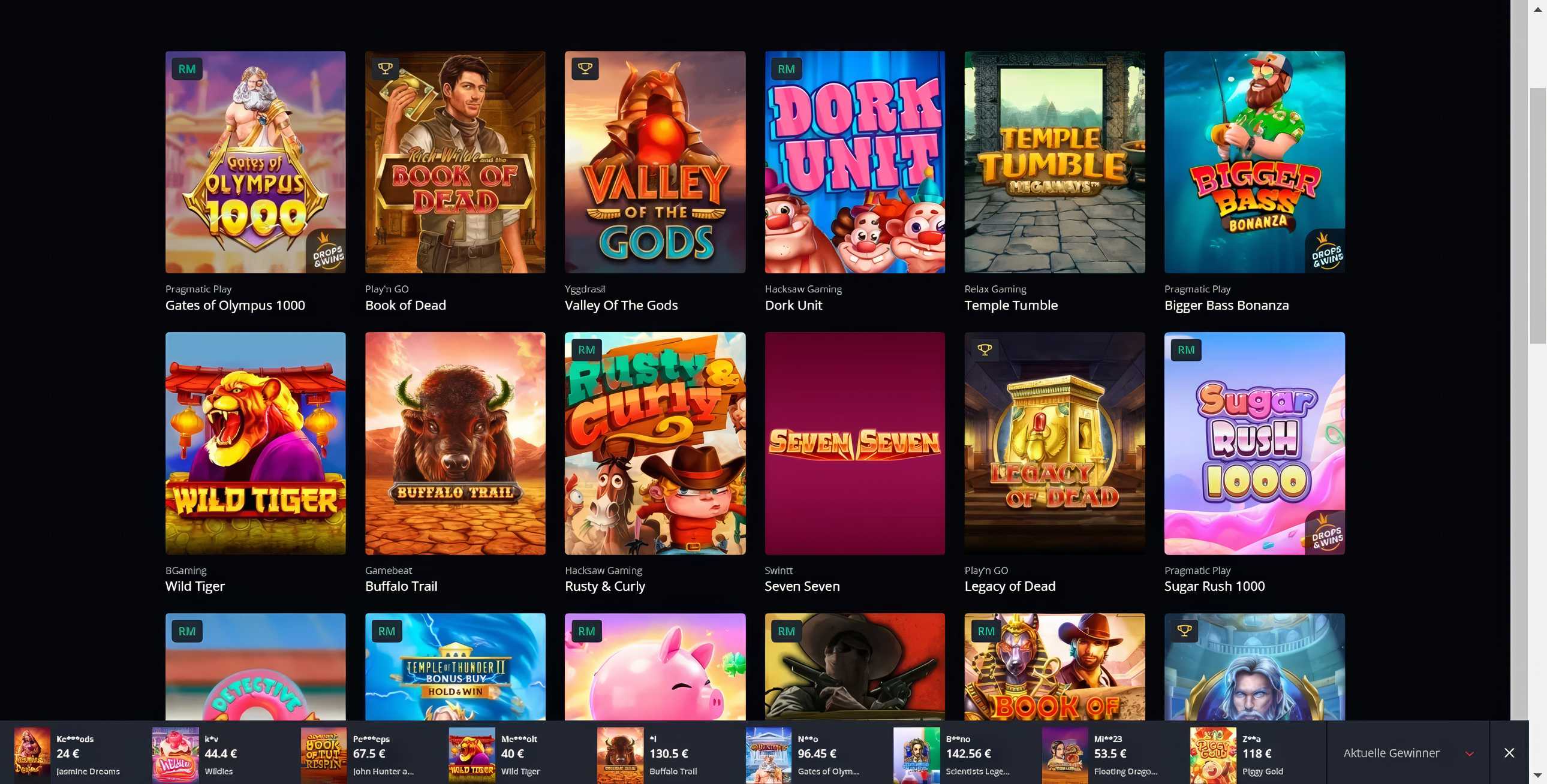
Understanding the core game types available at your fingertips begins with recognizing that slots, table games, live dealer options, and specialty titles each demand distinct engagement levels. Slots are pure chance, offering rapid spins and varied volatility, while blackjack and roulette require strategic decisions or betting systems. Live dealer games replicate the physical casino floor with real-time interaction, bridging digital convenience and authentic pacing. Poker variants, whether video poker or multiplayer tables, hinge on skill and psychological reads. Game selection directly determines your risk exposure and session strategy. Specialty games like bingo, keno, or crash games fill niche preferences with simpler rules or quick rounds. Before wagering, review each type’s RTP, house edge, and skill component to align choices with your bankroll and desired playing tempo.
How Live Dealer Sessions Bridge the Gap to a Real Casino Floor
Live dealer sessions close the sensory distance between a browser tab and a physical casino pit by streaming real-time table action from a dedicated studio, not a random number generator. You watch a human shuffle, cut, and deal actual cards, while the betting interface mirrors the felt layout you’d touch in person. This setup lets you read dealer tempo, observe chip stacks, and time your decisions against a visible rhythm, replicating the table’s pulse. The key is that live dealer sessions replicate authentic casino floor dynamics without requiring travel, transforming passive play into a socially interactive, visually anchored experience.
- You can use the live chat to signal the dealer to slow down or speed up, matching your comfort level.
- Pit-side camera angles let you spot card edges and dealer habits, just like leaning in at a real table.
- You physically click to place bets on the streamed table, so your action feels tethered to the dealer’s hand movements.
How to Pick a Platform That Fits Your Playing Style
Picking an online gambling platform starts with being brutally honest about how you play. If you chase big, infrequent wins and love the thrill of a near-miss, seek out high-variance slots with fat multipliers, not a site stuffed with low-ceiling table games. Conversely, if you’re a grinder who reloads often and enjoys deep strategy, prioritize platforms with robust live dealer lobbies and low-minimum blackjack, where the house edge is thinner. Your platform should mirror your session length—short and chaotic means fast cashout options and instant-play games, while long sessions demand quality software that won’t lag mid-hand. Also, test whether the interface feels natural on your device; a mobile-frustrated player will lose focus.
A platform that fights your habits, rather than flexing with them, will quietly drain your bankroll.
Finally, use free-play modes to sanity-check game variety before depositing, ensuring the lobby actually matches your preferred pace and risk tolerance.
Pay Attention to Payout Speed and Cash-Out Flexibility
When choosing an online gambling platform, your playing style dictates how quickly you need your winnings. A casual player might tolerate a three-day withdrawal window, but a high-volume bettor needs instant cash-out options to reinvest or bankroll manage without friction. Examine the payout speed tiers—e-wallets and crypto often clear in minutes, while bank transfers drag for days. Cash-out flexibility also means partial withdrawals, no minimum thresholds, and zero hidden processing fees. A platform that locks your balance for a week simply does not respect your time or strategy. Test the withdrawal flow with a small amount before committing real money, ensuring the options match your urgency.
- Prioritize platforms offering e-wallet or crypto payouts under 24 hours.
- Check for partial cash-out features to keep funds in play while securing profits.
- Verify daily or weekly withdrawal caps align with your typical win size.
- Avoid sites with manual review periods exceeding 48 hours for verified accounts.
Why Mobile Compatibility and App Performance Matter for Smooth Play
When selecting a gambling platform, mobile compatibility and app performance directly dictate session stability, as a poorly optimized interface causes lag precisely during bet placement or spin activation, eroding both timing and user confidence. A responsive app minimizes latency between action and outcome, which is critical for live dealer games where split-second decisions alter payouts. Furthermore, efficient battery and data usage prevent mid-round disconnections, preserving your stake from being lost to a frozen screen. Test a platform’s smooth scrolling and quick load times across different Android or iOS devices before depositing, since frame drops often signal backend instability that will recur under high traffic.
Smooth play hinges on a platform’s mobile optimization; lag or crashes break momentum, while responsive apps ensure every wager registers instantly.
Smart Money Management Tactics for Prolonged Play Sessions
To sustain prolonged online gambling sessions, enforce a strict session bankroll before you start, dividing it into smaller, timed portions so you never chase losses with funds meant for later. Set a hard loss limit per hour and walk away the moment it hits, while also cashing out any winnings above your initial stake to lock in profit. Never increase your bet size after a win or loss to recover or “ride momentum”, as this breaks the mathematical edge of your predetermined unit size. Instead, maintain flat betting to stretch your bankroll, and take mandatory 10-minute breaks every 30 minutes to reset your decision-making. True endurance in gambling comes from treating your bankroll as a finite resource to be rationed, not a pool to be drained by emotion. Finally, use the casino’s own session-limit tools to auto-stop your play when your time or money cap arrives, ensuring discipline over impulse.

Setting Loss Limits and Bankroll Thresholds Before You Start
Before you even log in, nail down your session loss limits—a hard number you won’t exceed, no matter how tempting the next spin feels. Then, set a separate bankroll threshold that triggers a full stop, like pausing for 24 hours if your total balance drops 30% from its starting point. These two guardrails work together: loss limits cap your damage per sitting, while thresholds protect your overall funds across multiple sessions. *A threshold isn’t a suggestion; it’s a pre-committed rule you treat like a non-negotiable bill.* Write them down or set your account’s built-in tools so the system enforces them for you.
How to Use Bonuses and Free Spins Without Wasting Your Own Funds
To stretch your bankroll, treat bonuses as a tool, not free money. Smart bonus utilization starts with reading the wagering requirements—never claim a deal you can’t realistically clear. Prioritize free spins on slots with high RTP and low volatility, since they convert to cash more often. Before playing, set a strict loss limit for your own deposit, and use bonus funds first to protect that balance. If a bonus requires a deposit, make the smallest qualifying amount possible. Also, skip offers with unrealistic turnover (like 40x+ on slots) unless you’re chasing a long session. Finally, cash out winnings from free spins immediately if the casino allows, locking in profit without touching your bankroll.
What Are the Most Effective Betting Strategies for New Players?
For new players in online gambling, the most effective betting strategies prioritize bankroll management over chasing wins. The flat betting strategy—wagering a fixed, small percentage of your bankroll (typically 1–2%) on each bet—is foundational, as it prevents rapid depletion and extends playtime. Another key approach is the value betting strategy, where you compare your own probability assessment against the odds offered, betting only when you identify a mismatch in your favor. Avoid progressive systems like Martingale, which require large bankrolls and can quickly exhaust funds due to table limits. Focus on single bets rather than accumulators, as lower risk yields better learning experiences. Always set a strict loss limit before starting any session, and treat bonuses with clear wagering requirements as secondary to your core strategy.
Inside the House Edge: Which Games Offer You the Best Odds
Understanding the house edge is your first step toward sustainable play, as it mathematically defines the casino’s built-in advantage per wager. For new players, blackjack with basic strategy offers the lowest edge, often under 0.5%, making it the most favorable table game. Baccarat’s banker bet trails closely at around 1.06%, while craps pass-line bets sit near 1.41%. *Video poker, when played with optimal pay tables, can rival blackjack, but only if you memorize the correct holds for each hand.* Slot machines, however, typically range from 2% to 10%, depending on volatility and RTP settings—always check the paytable. European roulette (2.7%) beats American (5.26%), yet neither matches card-based games. Your choice of game directly dictates how long your bankroll survives, so prioritize low-edge options before chasing any strategy.
Inside the House Edge: the best odds come from blackjack, baccarat, and video poker—stick to these and avoid slots or American roulette for maximum expected value.
When to Change Your Stake Sizes Based on Winning or Losing Streaks
Adjust your stake sizes only after a **losing streak has lasted at least five bets**, not after a single bad beat. During a win streak, raise stakes incrementally—by 10% per win—to capitalize on momentum, but cap this growth at double your base unit. Conversely, after three consecutive losses, cut stakes in half; this prevents tilt-driven chasing while preserving bankroll longevity. *The key is reacting to statistical patterns, not emotional impulses, so never alter stakes mid-session without a pre-set trigger rule.*
Q: When should I reduce my stake during a losing streak?
A: Reduce by 50% immediately after your third straight loss, and hold that lower size until you record two consecutive wins—this stops compounded erosion without exiting the game entirely.
How Do You Stay Safe and Provably Fair When Betting Online?
To stay safe, you must first verify that the platform uses **provably fair algorithms**, typically hash-based, allowing you to independently confirm each bet’s outcome after the fact. Before wagering, check the site’s server seed and your client seed, then use a third-party best crypto casinos verifier tool to ensure the shuffle wasn’t manipulated retroactively. Always enable two-factor authentication and withdraw winnings to a cold wallet immediately, as exchange-side hot wallets are prime theft vectors. For fairness, never accept a platform that refuses to show you the pre-committed seed hash; this is your only cryptographic proof against rigging. *Even with provable fairness, treat every session as adversarial—your own device’s security is the weakest link, so run a clean browser profile and disable scripts on the betting page.* Finally, set a hard loss cap and use only e-wallets that mask your bank details, keeping your identity and funds insulated from the casino’s internal systems.

Recognizing Secure Payment Options and Encryption Signs on a Site
Before depositing, verify the site displays a padlock icon and “https://” in the URL, which signals active TLS encryption for financial data. Then, confirm your preferred payment method—credit card, e-wallet, or crypto—is explicitly listed on the cashier page, as reputable operators only integrate vetted processors. For a secure transaction, follow this sequence: check the SSL certificate by clicking the padlock, review the payment provider’s logo for a hyperlink to its official site, and test a minimum deposit to see if your bank flags any fraud warnings. If you see mixed content or a missing lock symbol, exit immediately—that is a clear red flag for intercepted data.
Sticking to a Time Budget—How to Keep the Fun From Turning Into a Chore
Set a hard stop before you log in, treating that alarm like a non-negotiable appointment. To keep the fun from turning into a chore, use a separate timer away from the casino screen, so you’re not tempted to “just finish one more round.” Break sessions into 20-minute blocks, then step away for a quick stretch—this preserves the thrill and prevents mental fatigue. Track your actual hours weekly against your planned budget; if you exceed it twice, reduce the next session’s length. A firm time budget preserves excitement and prevents gambling from becoming a tedious obligation.
- Use a physical kitchen timer or phone alarm, not the site’s clock.
- Schedule sessions before high-energy moments, not when bored.
- After each block, log the minutes spent in a simple note.
- If you hit your cap mid-bet, cash out immediately and leave.
